

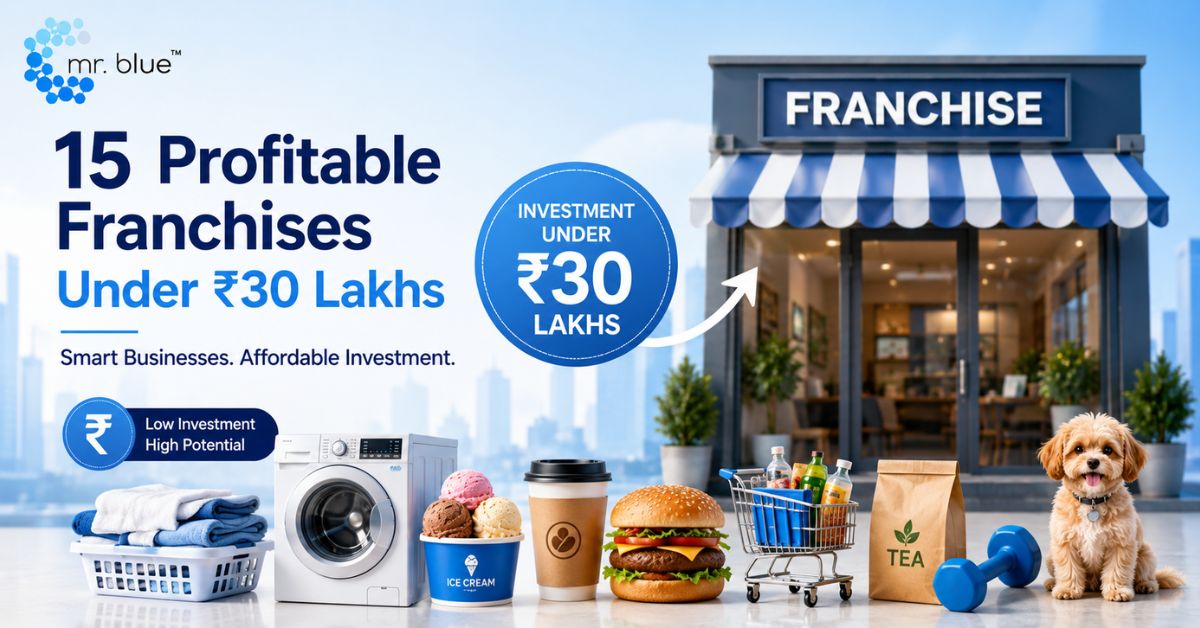
The perception that franchising requires massive capital investment often discourages aspiring entrepreneurs from pursuing this pathway to business ownership. However, the reality is dramatically different. India’s franchise sector offers numerous opportunities that require modest investments ranging from ₹5 lakhs to ₹30 lakhs, making business ownership accessible to a broader segment of entrepreneurs.
This comprehensive guide explores fifteen franchise opportunities that fit within a ₹30 lakh budget while offering genuine profit potential and growth prospects. These affordable franchises span diverse sectors from services to food and beverage, from retail to specialized operations, providing options for entrepreneurs with varying interests and expertise.
Understanding the Budget Franchise Market in India
The budget franchise segment has experienced explosive growth over the past five years. Several factors drive this expansion: increasing entrepreneurship aspirations among middle-class Indians, government initiatives promoting self-employment, improving franchise infrastructure and training systems, and growing consumer demand for branded services even at affordable price points.
Budget franchises, those requiring investment under ₹30 lakhs, demonstrate several advantages over high-capital franchises. Lower capital requirements reduce financial risk, faster break-even timelines enable quicker recovery of investment, easier access to finance through government schemes and bank loans, and lower operational complexity facilitate management by first-time entrepreneurs.
The franchise industry body estimates that budget franchises (under ₹30 lakhs) represent approximately 40% of all franchise opportunities in India, with growth rates exceeding 35% annually. This segment includes established brands with multiple successful franchisees alongside emerging concepts proving their viability.
Top 15 Franchise Opportunities Under 30 Lakhs in India
1. mr.blue – Laundry Franchise Business
Investment Start From: ₹17.99 Lakhs | Monthly ROI: 80%
Leading our list is mr.blue, a laundry franchise business representing one of the most accessible entry points into professional laundry service franchising with 150+ stores across 45 cities. The modest capital requirement makes it ideal for first-time entrepreneurs, while the business model’s proven viability across Indian cities ensures reliable performance.
mr.blue stands out as a significant laundry franchise provider because it provides a standard business model and operational support while maintaining operations in several cities. Multiple competitors in this industry deliver different combinations of brand recognition and equipment and technology-driven service solutions, but mr.blue has established itself through consistent quality, comprehensive franchisee support, and technology-enabled operations.
The franchise model requires investment in basic laundry equipment (washing machines, dryers, pressing stations), lease deposit and renovation for a 300-400 square foot space, initial inventory of chemicals and supplies, and technology system setup. Operational costs remain moderate, the primary expenses being rent, utilities, labor, and inventory replenishment.
2. Amul Ice Cream Parlor
Investment Required: ₹5-12 Lakhs | Monthly Returns: ₹25,000-60,000
Amul’s extensive distribution network and brand trust make this an excellent low-investment franchise opportunity. The ice cream parlor requires minimal space, simple equipment, and straightforward operations, making it ideal for entrepreneurs without specialized expertise.
The franchise leverages the exceptional brand reputation of one of India’s largest dairy cooperatives. Ice cream consumption in India has increased significantly, particularly in tier-2 and tier-3 cities with growing middle-class populations. The product’s universal appeal across age groups ensures a diverse customer base.
Revenue generation comes from high footfall due to affordable pricing, impulse purchases during peak seasons, and additional offerings including milkshakes, sundaes, and coffee beverages. The franchise provides marketing materials, regular product updates, and supply chain efficiency benefiting from collective scale.
3. Giani’s Ice Cream Franchise
Investment Required: ₹6-15 Lakhs | Monthly Returns: ₹30,000-70,000
Giani’s offers an alternative ice cream franchise with strong brand recognition in North and Central India. The nostalgic brand value appeals to customers across demographics, combining quality with affordable pricing. The franchise model emphasizes high footfall locations with lower space requirements.
Profitability drivers include high inventory turnover, seasonal peak periods generating exceptional revenues, and ability to customize offerings for local preferences. The franchise provides recipes, supply chain relationships, and operational guidance enabling consistent quality across locations.
4. Subway Franchise
Investment Required: ₹15-28 Lakhs | Monthly Returns: ₹50,000-120,000
The quick-service restaurant sector offers solid franchise opportunities, and Subway’s franchise model has proven successful across Indian cities. The investment range varies based on location and space requirements, typically requiring 400-600 square feet.
Subway’s strength lies in quick service, customizable products, and appetite appeal across demographics. The franchise provides complete operational support, from kitchen design to staff training to supply chain management. Higher capital requirement reflects the more complex food preparation and hygiene requirements compared to simpler food concepts.
5. Domino’s Pizza (Express Format)
Investment Required: ₹18-30 Lakhs | Monthly Returns: ₹60,000-150,000
Domino’s express format represents a more affordable entry into organized pizza retail compared to full-service stores. This model operates from smaller spaces (600-800 square feet) suitable for high-traffic locations like residential colonies, near colleges, and shopping areas.
The pizza category has become mainstream in India, with strong demand across economic segments. Domino’s brand recognition and operational system ensure consistent quality and customer expectations. Higher revenue potential compared to other food franchises justifies the capital investment.
6. Tata Tea Kiosk
Investment Required: ₹4-8 Lakhs | Monthly Returns: ₹20,000-45,000
Tea consumption in India remains among the highest globally, making tea kiosks viable businesses even with minimal investment. Tata Tea franchises benefit from one of India’s oldest and most trusted tea brands.
The operational model is exceptionally simple—basic equipment, tea inventory, and minimal staff. Low capital requirements and straightforward operations make this ideal for entrepreneurs seeking uncomplicated businesses. However, profitability depends heavily on location selection and consistent customer acquisition.
7. CCD Cloud (Café Coffee Day Express)
Investment Required: ₹10-20 Lakhs | Monthly Returns: ₹35,000-75,000
CCD’s express format offers affordable entry into the coffee café segment compared to full-service coffee shops. These smaller outlets (300-400 square feet) focus on takeaway business rather than dine-in, reducing space requirements and operational complexity.
The coffee culture in India continues expanding, particularly in tier-2 and tier-3 cities. CCD’s brand recognition and operational systems provide competitive advantage. Rising urban incomes and cafe culture adoption support sustained demand.
8. Commonfloor/Real Estate Franchise
Investment Required: ₹8-18 Lakhs | Monthly Returns: ₹40,000-100,000+
Real estate franchises represent service-based opportunities with lower capital requirements compared to facility-intensive businesses. Commonfloor’s platform connects property seekers with sellers, requiring primarily technology access and marketing capabilities.
The model suits entrepreneurs with sales acumen and local market knowledge. Revenue comes from commissions on property transactions, with earnings depending heavily on market activity and individual franchisee’s sales performance.
9. Axis Bank Franchise
Investment Required: ₹10-25 Lakhs | Monthly Returns: ₹30,000-80,000
Banking franchises represent an interesting low-investment opportunity for entrepreneurs with sales and customer service capabilities. Axis Bank franchises operate from modest spaces (200-300 square feet) focusing on account opening, loan disbursement, and banking service facilitation.
The business model suits entrepreneurs with banking knowledge or strong customer relationship skills. Income comes from commissions and incentives on products sold and accounts opened. Growing financial inclusion in India supports steady demand for banking services.
10. Patanjali Arogya Kendra
Investment Required: ₹5-15 Lakhs | Monthly Returns: ₹25,000-60,000
Patanjali’s extensive product portfolio spanning food, personal care, and healthcare products enables franchisees to generate revenue from diverse customer needs. The franchise requires relatively simple operations involving product display, sales, and customer guidance.
Patanjali’s brand recognition and competitive pricing provide customer appeal. The growing preference for Ayurvedic and natural products supports market demand. Low barriers to entry and operational simplicity make this ideal for first-time entrepreneurs.
11. Juice Bar Franchise (Squeeze Juice Bar, etc.)
Investment Required: ₹6-15 Lakhs | Monthly Returns: ₹25,000-55,000
Health-conscious consumer trends have increased demand for fresh juice beverages. Juice bar franchises require minimal equipment, straightforward operations, and quick service capabilities. The seasonal and weather-dependent nature of demand requires location selection in high-footfall areas.
Profitability depends on high transaction volume and efficient cost management. Many juice bars implement premium pricing for fresh juices while maintaining affordable smoothies. The franchise model provides recipes, supplier relationships, and operational guidance.
12. Laundry Box (Budget Laundry Service)
Investment Required: ₹7-16 Lakhs | Monthly Returns: ₹28,000-65,000
Similar to mr.blue, other laundry franchises offer more budget-friendly options. Laundry Box and similar concepts focus on essential laundry services at economical prices, appealing to value-conscious customers in residential areas.
These franchises succeed through efficient operations, reasonable pricing, and consistent service quality. Lower premium positioning compared to luxury laundry services enables broader customer base but requires disciplined cost management for profitability.
13. E-Learning / Coding Classes Franchise
Investment Required: ₹5-12 Lakhs | Monthly Returns: ₹30,000-70,000
Online education franchises have emerged as low-capital opportunities given digital delivery models. Franchises offering coding, programming, and skill development classes require minimal physical infrastructure while addressing growing demand for digital skills.
The business model involves licensing technology platforms, accessing curriculum, and providing local marketing and student acquisition support. Revenue comes from student subscription fees. Growing emphasis on digital skills ensures sustained market demand.
14. Salon Express / Beauty Services
Investment Required: ₹8-18 Lakhs | Monthly Returns: ₹35,000-80,000
Beauty and personal care franchises addressing core grooming needs offer viable low-investment opportunities. Express salons focusing on haircuts, styling, and basic treatments require less capital than full-service premium salons.
The franchise model provides staff training, product supplies, and operational protocols ensuring quality maintenance. Beauty services maintain steady demand driven by recurring customer needs and lifestyle consciousness.
15. Pet Care / Pet Grooming Franchise
Investment Required: ₹8-20 Lakhs | Monthly Returns: ₹30,000-70,000
The growing pet care industry in India creates franchising opportunities. Pet grooming, boarding, and pet product retail franchises address emerging consumer needs in urban areas with rising pet ownership.
These franchises appeal to specialized entrepreneurs with pet care knowledge. Higher price tolerance among pet owners supports premium pricing for quality services. Growing pet ownership and changing attitudes toward pet care support market expansion.
Why Budget Franchises Remain Profitable Despite Lower Investment
- High Transaction Volume Model: Many budget franchises generate profits through high customer throughput rather than premium pricing. Ice cream parlors, tea kiosks, and juice bars serve dozens of customers daily at affordable prices, creating cumulative profitability.
- Recurring Revenue Streams: Essential services like laundry, beauty care, and food have recurring nature ensuring repeat customers and predictable revenue. Unlike one-time purchases, recurring customers provide business stability.
- Operational Efficiency: Lower-capital franchises often operate with simpler equipment, fewer staff members, and straightforward processes, reducing complexity and enabling effective cost management even in budget segments.
- Scalability Potential: Many budget franchises can expand to multi-unit operations more easily than capital-intensive models. Successful franchisees often grow from single outlets to regional networks.
Financial Considerations for Budget Franchises Under 30 Lakhs
Capital Breakdown Analysis:
- Franchise fee: ₹1-5 lakhs (initial brand licensing cost)
- Setup and renovation: ₹2-10 lakhs (space preparation and branding)
- Equipment and machinery: ₹2-8 lakhs (operational necessities)
- Initial inventory: ₹1-3 lakhs (opening stock)
- Working capital: ₹2-5 lakhs (sustaining first 3-6 months)
- Licenses and permits: ₹50,000-1 lakh (regulatory compliance)
- Marketing launch: ₹50,000-2 lakhs (opening awareness)
Monthly Operating Costs Range:
- Rent and utilities: ₹8,000-20,000
- Staff salaries: ₹10,000-30,000
- Inventory replenishment: ₹5,000-15,000
- Royalties and fees: ₹2,000-10,000
- Marketing: ₹2,000-5,000
- Miscellaneous: ₹3,000-8,000
Profitability Characteristics:
- Break-even timeline: 16-24 months average
- Monthly profit potential: ₹25,000-100,000+ depending on sector and execution
- Return on investment: 25-50% annually once established
- Reinvestment for growth: Available for multi-unit expansion
Critical Success Factors for Budget Franchise Success
Location Selection Excellence:
- Demographic alignment with target customers
- High visibility and foot traffic
- Accessible parking and easy entry
- Reasonable rental costs enabling healthy margins
- Competitive environment assessment
Operational Discipline:
- Meticulous adherence to franchisor standards
- Cost control without compromising quality
- Efficient inventory management minimizing waste
- Staff training and performance management
- Regular performance monitoring against targets
Customer Focus and Retention:
- Consistent service quality building reputation
- Excellent customer service earning loyalty
- Local community engagement and relationship building
- Gathering and implementing customer feedback
- Creating value propositions justifying premium over unbranded competitors
Marketing and Awareness:
- Effective opening launch creating awareness
- Consistent local marketing maintaining visibility
- Digital presence through social media and online maps
- Word-of-mouth referral generation
- Strategic promotions attracting new customers
How mr.blue Supports Budget-Conscious Franchisees
mr.blue’s Support Infrastructure for Affordable Franchising
For entrepreneurs evaluating budget laundry franchises, mr.blue demonstrates how affordable franchises can maintain quality and profitability through systematic support. The franchise model prioritizes franchisee success through comprehensive assistance designed specifically for entrepreneurs with modest capital.
Financial Modeling and Transparency:
mr.blue provides realistic financial projections based on actual franchisee performance across its network. Rather than inflated return promises, the company shares honest data enabling entrepreneurs to set realistic expectations.
Equipment and Supplier Optimization:
Bulk procurement of laundry equipment, chemicals, and supplies negotiates favorable pricing that individual entrepreneurs cannot achieve. These cost advantages are passed to franchisees, improving margins on budget-priced services.
Technology Efficiency:
The technology platforms provided by mr.blue streamline operations and reduce administrative costs. Digital ordering, payment processing, customer management, and performance tracking systems eliminate manual processes that would otherwise require additional staff.
Training for Profitability:
mr.blue’s training emphasizes operational practices that maximize profitability within budget-focused business models. Franchisees learn efficient scheduling, waste reduction, quality control optimizing customer satisfaction, and cost management maintaining margins.
Location and Market Analysis:
Strategic location selection significantly impacts budget franchise success. mr.blue provides market analysis identifying areas with optimal demographic characteristics and competitive positioning. Proper location selection accelerates break-even and profitability timelines.
Ongoing Consultation:
Regular interaction with franchisor support teams helps franchisees address challenges promptly. Whether managing seasonal fluctuations, responding to competition, or optimizing pricing strategies, experienced guidance improves decision-making and financial performance.
Risk Mitigation Strategies for Budget Franchises
Adequate Capital Planning:
Never underfund budget franchises seeking to minimize investment. Insufficient working capital forces desperate decisions compromising quality. Maintain capital reserves equal to 6-8 months of operating expenses.
Location Validation:
Conduct thorough site analysis before committing to lease agreements. Foot traffic counts, demographic verification, and local competition assessment reduce location-related risks.
Phased Implementation:
Start with single-unit operations, establish profitability, and perfect operations before expanding to multi-unit networks. This phased approach reduces overall risk exposure.
Franchisor Due Diligence:
Thoroughly evaluate franchisors through existing franchisee interviews, financial transparency assessment, and legal review. Many failures result from franchisor inadequacy rather than business concept flaws.
Contingency Planning:
Identify potential operational challenges (equipment failure, staff issues, competitive pressure) and develop contingency responses. Preparation reduces crisis impact.
Regular Performance Monitoring:
Establish monthly financial reviews and performance metric tracking. Early identification of underperformance enables quick corrective action.
Conclusion
The franchise sector in India offers diverse opportunities for entrepreneurs with modest capital, challenging the perception that franchising requires massive investment. The fifteen franchises outlined—ranging from mr.blue’s laundry services to food franchises, beauty services, and specialized sectors, demonstrate that profitable business ownership is accessible to broader entrepreneur segments.
Budget franchises succeed through volume-based profitability models, recurring customer relationships, operational efficiency, and systematic franchisor support. While lower capital requirements reduce absolute profit per unit compared to premium franchises, many budget franchise entrepreneurs build profitable, sustainable businesses generating excellent returns on their investment.
The key to success in budget franchising lies in thorough franchisor evaluation, realistic financial planning, location excellence, operational discipline, and customer focus. Entrepreneurs who approach budget franchising systematically, invest adequate working capital, and execute operations diligently position themselves for success in India’s dynamic franchise ecosystem.
Frequently Asked Questions
What sectors offer the most reliable profitability among budget franchises?
Service-based franchises (laundry, beauty salons, fitness) and essential commodity franchises (food, beverages, retail) show consistent profitability. These franchises benefit from recurring customer needs and predictable demand patterns. Laundry franchises particularly demonstrate reliable performance across regions, with established concepts like mr.blue showing >80% franchisee profitability rates. Food franchises achieve faster break-even due to high transaction volumes.
How quickly can budget franchises break even?
Most budget franchises break even within 16-24 months, with some fast-moving categories (food, beverages) achieving breakeven in 12-18 months. Profitability depends significantly on initial capital adequacy, location selection, and operational efficiency. Franchises starting with inadequate working capital may take 24-36 months to break even due to slower ramp-up. Conservative planning assumes 18-24 month timelines.
Are budget franchises as reliable as high-investment franchises?
Reliability depends on franchisor quality rather than franchise cost. Well-established budget franchises often demonstrate higher reliability than newer expensive concepts. Many budget franchises operate with proven models across hundreds of units, ensuring system viability. Due diligence remains essential regardless of franchise cost to ensure franchisor credibility and support quality.
Can I secure bank financing for budget franchises under 20 lakhs?
Most banks finance franchises under ₹30 lakhs through specialized schemes with subsidized interest rates. Government initiatives like PMEGP and MUDRA support first-time entrepreneurs with favorable loan terms. Collateral requirements are typically lower for franchises with established brand credibility. Loan approval depends on business viability, personal creditworthiness, and franchisor credibility rather than franchise cost alone.