

Introduction
Summer heat can be unbearable, and choosing the right fabric plays a crucial role in staying comfortable during the hottest months of the year. The wrong fabric choice not only makes you feel sweaty and uncomfortable but can also lead to skin irritation and excessive perspiration. When selecting summer clothes, understanding which fabrics work best for hot weather is essential.
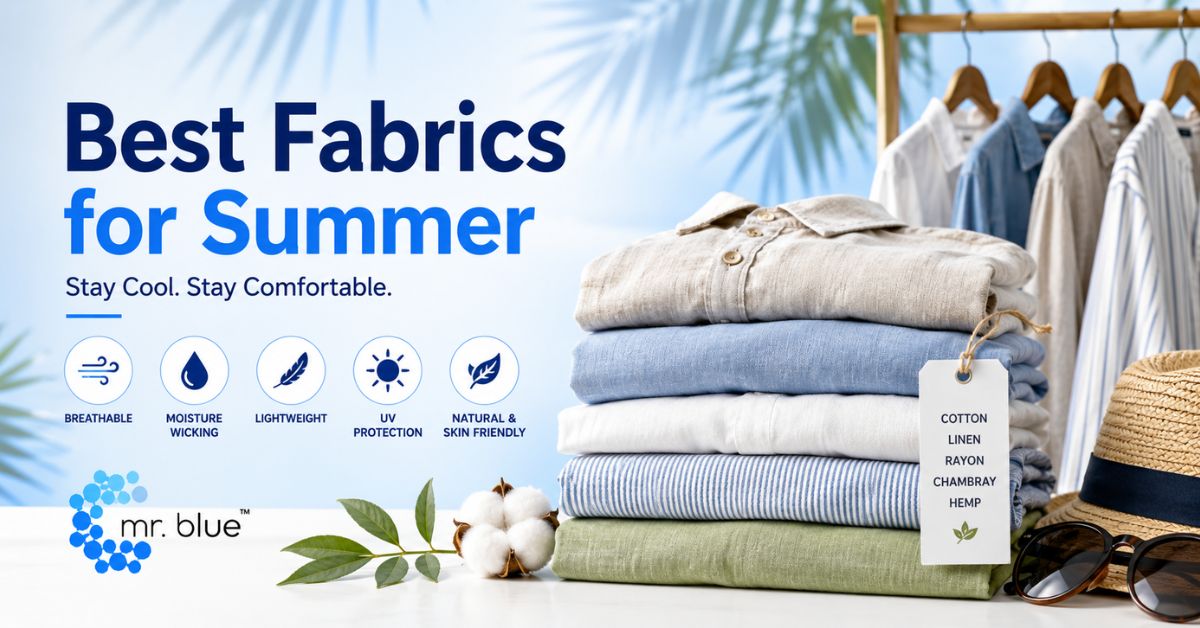
The ideal summer fabrics are those that offer breathability, moisture-wicking properties, and lightweight construction. In this comprehensive guide, we’ll explore the best fabrics for summer, their unique properties, and how proper care and maintenance can extend their lifespan. Whether you’re planning a vacation or simply want to upgrade your summer wardrobe, this article will help you make informed decisions about fabric selection.
What Makes A Fabric Suitable for Summer?
Several characteristics determine whether a fabric is appropriate for summer or not. You want to look for fabrics that are breathable. Breathable fabrics allow air to flow through them, cooling you off naturally. Fabrics that wick moisture away from your skin are also ideal because they will absorb sweat and spread it across the fabric allowing it to dry quickly. Lighter fabrics are also preferable because the more fabric you wear, the more heat your body traps.
Fabrics that are natural tend to work better in hot weather because they allow for more airflow and absorb moisture without sticking to your skin. Summer fabrics should also have a loose knit rather than a tight one. This allows for more airflow to pass through the garment. Some summer fabrics even offer UPF which can protect you from the sun’s rays. Lastly, look for lighter colors because they will reflect the heat instead of absorbing it.
Best Fabrics for Summer: Detailed Overview
Here are the most popular and effective fabrics for summer clothing:
1 – Cotton – The Classic Summer Choice
Cotton remains the gold standard for summer fabrics and for good reason. This natural fiber is highly breathable, allowing air to circulate freely through the weave. Cotton absorbs moisture from your skin effectively, keeping you dry and comfortable. It’s soft against the skin, hypoallergenic, and suitable for people with sensitive skin. Pure cotton fabrics like percale weave offer excellent breathability, while cotton blends can provide additional benefits such as wrinkle resistance and enhanced durability.
The durability of cotton makes it ideal for frequent washing, which is common during summer when clothes accumulate sweat and dirt. However, 100% cotton fabrics can wrinkle easily and may require ironing. When purchasing cotton summer wear, look for lightweight options like cotton poplin or cotton voile, which offer superior breathability.
2 – Linen – The Ultimate Heat Beater
Linen is arguably the best fabric for extreme summer heat. Made from flax plant fibers, linen is even more breathable than cotton and can absorb up to 20% of its weight in moisture before feeling wet. This exceptional moisture-wicking property makes linen ideal for hot, humid climates. Linen has a loose weave that promotes excellent air circulation, helping you stay cool even in intense heat. The fabric has a natural texture and graceful drape that looks elegant and sophisticated.
While pure linen does wrinkle, many people consider these wrinkles part of the fabric’s charming aesthetic. Linen blends combine the benefits of linen with improved wrinkle resistance from synthetic fibers. Although linen is more expensive than cotton, its superior performance in hot weather makes it a worthwhile investment for your summer wardrobe. Linen also becomes softer with every wash, improving its comfort over time.
3 – Rayon – The Silk-Like Alternative
Rayon is a semi-synthetic fiber made from cellulose, offering the luxurious feel of silk at a fraction of the cost. This fabric drapes beautifully and feels incredibly soft against the skin, making it perfect for elegant summer dresses and blouses. Rayon is highly breathable and absorbs moisture well, though not quite as effectively as linen or cotton. The fabric has a smooth surface that prevents sweat from sticking to your skin, creating a more comfortable wearing experience.
Rayon is available in various weights, from lightweight summer versions to slightly heavier options. However, rayon requires careful washing and handling—it can be delicate when wet and may shrink if not cared for properly. Many people prefer rayon for special occasions and less demanding summer outings due to its elegant appearance. When purchasing rayon items, follow care instructions carefully to ensure longevity.
4 – Chambray – Durable and Versatile
Chambray is a lightweight cotton blend that combines breathability with durability and style. Created using white weft threads and colored warp threads, chambray has a distinctive appearance that makes it versatile for various summer outfits. The fabric is sturdy enough for work wear and casual outings while remaining cool and comfortable.
Chambray’s tight weave provides protection against UV rays, offering some sun protection. This fabric works wonderfully for shirts, dresses, and light jackets. Chambray is also relatively easy to care for—it requires standard washing and minimal ironing. The versatility of chambray makes it a practical addition to any summer wardrobe, suitable for both casual and semi-formal occasions.
5 – Hemp – Eco-Friendly Summer Fabric
Hemp fabric is gaining popularity as an eco-conscious choice for summer clothing. Made from the hemp plant, this natural fiber is incredibly durable, sustainable, and environmentally friendly. Hemp is more breathable than cotton and becomes softer with each washing. The fabric has natural antibacterial properties, making it an excellent choice for people prone to skin issues. Hemp blends with cotton or linen provide optimal comfort and performance for summer wear.
While pure hemp can feel slightly stiff initially, hemp blends offer excellent balance between durability and comfort. Choosing hemp products supports sustainable farming practices and reduces environmental impact. Though hemp garments may cost more than conventional options, the durability and longevity of hemp fabrics make them a worthwhile investment.
Key Properties of Summer Fabrics
Understanding the specific properties that make fabrics suitable for summer helps you select the best options:
- Breathability – Natural fibers like cotton, linen, and hemp allow air to pass through the fabric easily, promoting heat dissipation from your body
- Moisture Absorption – High-quality summer fabrics absorb sweat effectively, preventing the clammy feeling that occurs when moisture sits on your skin
- Lightweight Construction – Fabrics with lower weight reduce the heat-trapping effect, allowing your body temperature to remain regulated naturally
- Quick-Drying Properties – Summer fabrics should dry quickly after washing or when exposed to perspiration, preventing bacterial growth and odor
- UV Protection – Some fabrics naturally block harmful ultraviolet rays, offering sun protection when wearing summer clothes
- Durability – Quality summer fabrics withstand repeated washing without deteriorating, maintaining their properties throughout the season
- Low Pilling Resistance – Premium fabrics resist pilling, maintaining a neat appearance even after frequent wear and washing
Proper Care and Maintenance of Summer Fabrics
Caring for your summer fabrics properly ensures they remain comfortable and looking fresh throughout the season. Hand washing delicate fabrics like rayon and linen in cool water preserves their quality and prevents damage. Machine washing is acceptable for sturdy fabrics like cotton and chambray; use a gentle cycle with mild detergent. Always separate light and dark colors to prevent dye bleeding. Avoid using harsh chemicals or bleach that can damage natural fibers and cause discoloration.
When drying summer clothes, air-drying is preferable to machine drying, as it prevents shrinkage and damage to delicate fabrics. For linen and chambray, hanging to dry naturally maintains the fabric’s integrity. When ironing is necessary, use low to medium heat settings, especially for delicate fabrics. Store summer clothes in cool, dry places away from direct sunlight to prevent fading.
How mr.blue Laundry Services Help You Care for Summer Fabrics
Maintaining summer fabrics can be time-consuming, especially during the hot season when you’re constantly washing clothes due to perspiration. This is where professional laundry services become invaluable. mr.blue, a leading laundry franchise business, specializes in providing expert fabric care that ensures your summer wardrobe remains in excellent condition throughout the season.
As a premier laundry franchise provider, mr.blue understands the unique requirements of different fabrics and employs trained professionals who handle each garment with appropriate care. Whether you have delicate linen dresses, fine cotton shirts, or rayon blouses, mr.blue has the expertise and equipment to maintain their quality. The service stands out as a significant laundry franchise provider because it provides a standard business model and operational support while maintaining operations in several cities across India.
mr.blue’s specialized summer fabric care includes proper water temperature selection, gentle detergent formulations, and careful drying techniques specific to each fabric type. Their professionals know that cotton requires different handling than linen, and that delicate synthetic blends need special attention. By outsourcing your summer laundry to mr.blue, you free up valuable time while ensuring your clothes receive expert care.
Smart Shopping Tips for Summer Fabrics
When shopping for summer clothes, keep these important tips in mind:
- Check Fiber Content – Read labels carefully; pure natural fibers or quality blends are better than 100% synthetic options
- Feel the Fabric – Run the material through your hands to assess how soft and breathable it feels
- Look for Loose Weaves – Fabrics with visible space between threads allow better air circulation
- Consider the Weight – Opt for lightweight fabrics that feel airy and don’t feel heavy against your skin
- Assess Wrinkle Potential – Decide whether you prefer low-maintenance fabrics or are willing to iron items like pure linen
- Choose Appropriate Colors – Light colors reflect heat and keep you cooler; dark colors absorb heat
- Check Care Instructions – Ensure the garment’s maintenance requirements fit your lifestyle
Why Your Summer Fabric Choice Truly Matters
Selecting appropriate summer fabrics isn’t merely about comfort—it affects your health, productivity, and quality of life during hot months. The right fabric allows your body’s natural cooling system to function effectively through perspiration evaporation. When fabric fails to breathe properly, sweat accumulates on your skin, creating an environment conducive to bacterial growth and skin irritation. Poor fabric choices can lead to uncomfortable heat rash, fungal infections, and general malaise during summer.
Beyond health considerations, the right fabrics enhance your social confidence; you’ll feel fresh and comfortable in any situation. Quality summer fabrics also represent a wise financial investment, as they last longer and maintain their properties better than inferior alternatives. Whether you’re dealing with India’s intense summer heat or temperate climates, proper fabric selection ensures you remain comfortable and look your best throughout the season. By investing time in understanding fabric properties and making informed choices, you’re prioritizing your well-being and comfort.
Conclusion
Choosing the best fabric for summer requires understanding the properties that make fabrics suitable for hot weather. Cotton, linen, rayon, chambray, and hemp represent excellent options, each with unique advantages. Natural fibers consistently outperform synthetics due to their breathability and moisture-wicking capabilities. When shopping for summer clothes, prioritize breathability, lightweight construction, and moisture-absorption properties.
Proper care and maintenance, including appropriate washing, drying, and storage techniques, extend the lifespan of summer garments. For those seeking convenience and expert care, professional services like mr.blue offer specialized laundry solutions that maintain fabric quality while saving valuable time. By making informed fabric choices and following proper care guidelines, you can enjoy comfortable, stylish summer wear that lasts for years. Remember that your fabric choices directly impact your comfort, health, and confidence during the hot months, making this decision worthy of careful consideration.
Frequently Asked Questions
Can synthetic fabrics work for summer?
Pure synthetics like polyester trap heat and moisture, making you feel uncomfortable. However, quality synthetic blends with natural fibers can work well. Look for fabrics that combine synthetic wrinkle-resistance with natural fiber breathability. Always prioritize natural fiber content for hot weather clothing.
How often should I wash summer clothes?
Wash summer clothes after each wear, as they absorb sweat and can develop odor quickly. Light wearing items like overshirts can be worn 2-3 times before washing. Always follow the garment's care label instructions. Professional services like mr.blue make frequent washing convenient and safe for delicate fabrics.
What's the ideal water temperature for washing summer fabrics?
Cool to lukewarm water (below 30°C/85°F) is best for summer fabrics. Hot water can damage delicate fibers and cause colors to fade. Cold water preserves the fabric's integrity and helps prevent shrinkage. For heavily soiled items, pre-soaking in cool water with mild detergent helps remove stains effectively.
Can I machine dry summer fabrics, or should I always air dry?
Air drying is superior for summer fabrics as it prevents shrinkage and damage. Sturdy fabrics like cotton can tolerate low-heat machine drying if necessary. Delicate fabrics like rayon and linen should always be air-dried. Hanging clothes to dry naturally also preserves elastic and prevents pilling.