

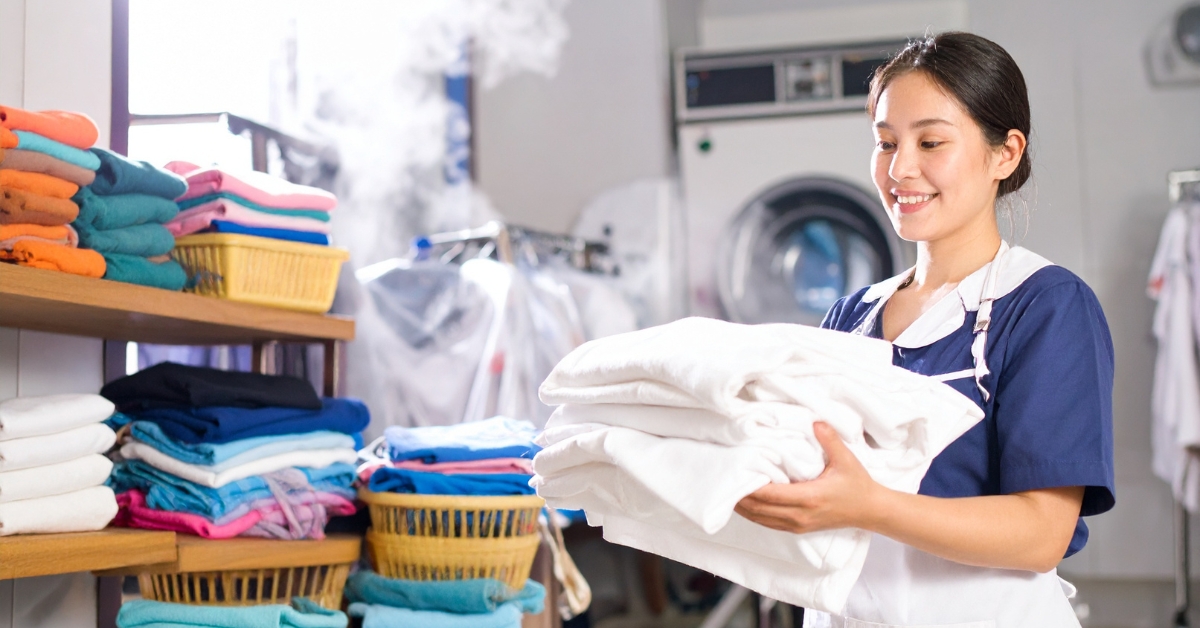
Did you know that laundry services have turned into a multi-billion dollar industry all over the world? Gone are the days where doing laundry was only seen as a household chore. With the population becoming busier and cities continuing to grow, laundry services are now considered a necessity instead of a luxury. If you’re looking to start a business or diversify your investments, here’s what you need to know about the laundry business.
Understanding the Laundry Business Landscape
From traditional coin-op laundromats to innovative tech-forward pickup and delivery services, laundry service companies can take many forms. Coin-operated laundry services have been steadily increasing across the United States, and within the last few years, there has been a boom of laundry startups.
Laundry startups are becoming extremely popular, especially in metropolitan areas where busy professionals and college students reside. They have different needs than what a traditional laundromat provides. Today’s consumers want quality, convenient, and reliable laundry services. That is why companies like mr.blue are gaining so much popularity. They know that in order to run a successful laundry service, you need to provide your customers with the best experience. Treating their clothes with care and giving them back their time.
Types of Laundry Business Models
Self-Service Laundromats
These establishments provide washing machines and dryers where customers handle their own laundry. This model requires minimal staffing but needs strategic location selection and regular equipment maintenance.
Full-Service Laundry
Customers drop off their clothes and collect them cleaned, dried, and folded. This model commands higher pricing due to labor costs but offers better profit margins and customer convenience.
Pickup and Delivery Service
The fastest-growing segment, where businesses collect laundry from customers’ locations, process it, and deliver it back. This model emphasizes convenience and often integrates technology for seamless operations.
Specialized Dry Cleaning
Focuses on delicate fabrics and garments requiring professional treatment. This niche commands premium pricing and requires specialized equipment and expertise.
Commercial Laundry Services
Targets businesses like hotels, restaurants, hospitals, and salons with bulk laundry requirements. This B2B model offers consistent revenue streams and larger transaction volumes.
Initial Investment and Startup Costs
Starting a laundry business requires careful financial planning. The initial investment varies significantly based on your chosen model and scale.
Equipment Costs
Essential machinery includes:
– Commercial washing machines: ₹65,000 – ₹2,90,000 per unit
– Industrial dryers: ₹75,000 – ₹2,50,000 per unit
– Pressing and ironing equipment: ₹40,000 – ₹1,65,000
– Dry cleaning machines (if applicable): ₹12,50,000 – ₹42,00,000
– Folding tables and storage: ₹25,000 – ₹85,000
Infrastructure Expenses
Space and setup requirements:
– Rental deposit and advance: ₹1,65,000 – ₹8,30,000
– Interior setup and plumbing: ₹2,50,000 – ₹6,65,000
– Electrical installations: ₹1,25,000 – ₹3,30,000
– Ventilation systems: ₹1,65,000 – ₹4,15,000
– Signage and branding: ₹40,000 – ₹1,65,000
Operational Capital
Working capital needs:
– Inventory (detergents, softeners, hangers): ₹85,000 – ₹2,50,000
– Licensing and permits: ₹40,000 – ₹1,65,000
– Insurance coverage: ₹1,00,000 – ₹2,50,000 annually
– Marketing and launch expenses: ₹85,000 – ₹4,15,000
– Staff salaries (first three months): ₹2,50,000 – ₹12,50,000
The total startup investment typically ranges from ₹16,50,000 for a small self-service laundromat to ₹85,00,000+ for a full-service operation with delivery capabilities.
Revenue Streams and Profit Potential
Understanding your revenue model is essential for sustainable growth. Successful laundry businesses diversify their income sources to maximize profitability.
Primary Revenue Sources
Regular washing and drying services form the foundation, with pricing typically based on weight or per-item charges. Most businesses charge for wash-and-fold services.
Dry cleaning commands premium rates, ranging from Rs500 – Rs2000 per garment depending on the item type and fabric complexity. This specialized service significantly boosts profit margins.
Express and same-day services allow businesses to charge 50-100% premiums for urgent requests, capitalizing on customers’ need for quick turnaround.
Value-Added Services
Offering alterations, repairs, stain treatment, and fabric protection services creates additional revenue while increasing customer loyalty. Subscription models provide predictable monthly income and improve customer retention rates.
Profit Margins Explained
Typical profit margins in the laundry industry range from 20-35% after accounting for all operational expenses. Full-service models generally achieve higher margins (30-35%) compared to self-service laundromats (15-25%).
Key factors affecting profitability include location efficiency, operational optimization, customer volume, pricing strategy, and service quality. Businesses that focus on premium service delivery, like mr.blue, often command higher prices and better margins due to their reputation for exceptional garment care.
Strategic Location Selection
Location can make or break your laundry business. The ideal location balances visibility, accessibility, and target market proximity.
High-Potential Areas
Residential neighborhoods with apartment complexes offer steady customer bases, particularly in areas where in-unit laundry facilities are limited. College campuses and student housing areas provide consistent demand from young adults without laundry access.
Business districts and commercial areas attract working professionals seeking convenient lunchtime drop-offs. Mixed-use developments combining residential and commercial spaces offer the best of both worlds.
Location Analysis Factors
Measure pedestrian and vehicular traffic flow. Locate where you can be easily accessed by lots of people. Scout out competition. Don’t pick a place where there are already several laundromats within 2 miles. Look at parking.
You don’t want people that have to haul their laundry to your establishment to also struggle finding parking. Scope out the demographics such as income rates, average family sizes, and your target customer’s daily routines. Research lease agreements and expenses.
Essential Equipment and Technology
Investing in quality equipment ensures operational efficiency and customer satisfaction. Modern laundry businesses increasingly rely on technology to streamline operations.
Core Equipment Selection
Choose commercial-grade machines based on:
- Capacity requirements matching your customer volume
- Energy efficiency ratings to minimize utility costs
- Warranty coverage and local service availability
- Brand reputation and durability records
- Water and detergent consumption efficiency
Technology Integration
Point-of-sale systems with inventory tracking streamline billing and help monitor supply usage. Customer management software maintains service history and enables personalized communication.
Online booking platforms and mobile applications allow customers to schedule pickups and track orders conveniently. Automated messaging systems send pickup reminders, status updates, and delivery notifications, enhancing customer experience.
Route optimization software for delivery services reduces fuel costs and improves delivery efficiency. Digital payment integration accommodates cashless transactions and improves convenience.
Building Your Customer Base
Attracting and retaining customers requires strategic marketing and exceptional service delivery.
Marketing Strategies That Work
Digital presence essentials:
- Professional website with online booking capabilities
- Google My Business optimization for local search visibility
- Social media engagement showcasing before-and-after transformations
- Customer review management on Google, Facebook, and industry platforms
- Email marketing campaigns with seasonal promotions
Traditional marketing approaches:
- Flyer distribution in target neighborhoods
- Partnership with apartment complexes and residential societies
- Corporate tie-ups for employee laundry benefits
- Referral programs rewarding existing customers
- Local event sponsorships for brand visibility
Customer Retention Tactics
Quality consistency ensures every order meets high standards, building trust over time. Platforms like mr.blue have built their reputation on reliable, hassle-free experiences that keep customers returning.
Loyalty programs with punch cards or points-based rewards encourage repeat business. Personalized service remembering customer preferences creates emotional connections. Responsive customer service addressing concerns promptly builds lasting relationships.
Operational Excellence and Quality Control
Maintaining consistent quality separates successful laundry businesses from struggling competitors.
Standard Operating Procedures
Develop detailed protocols for garment inspection, sorting by color and fabric type, stain pre-treatment, washing cycles based on fabric requirements, drying temperatures and durations, folding and packaging standards, and quality checks before customer delivery.
Staff Training and Management
Invest in comprehensive onboarding covering equipment operation, fabric care knowledge, stain removal techniques, customer service excellence, and safety protocols.
Create a positive work environment with competitive compensation, performance incentives, clear growth paths, regular skill development, and recognition programs.
Quality Assurance Systems
Implement inspection checkpoints at receiving, post-wash, post-dry, and before delivery stages. Maintain customer feedback loops through post-service surveys and review monitoring. Track common issues and address root causes systematically.
Scaling Your Laundry Business
Growth requires strategic planning and operational readiness.
Expansion Strategies
Multiple locations approach:
- Replicate successful models in new neighborhoods
- Maintain brand consistency across outlets
- Implement centralized management systems
- Negotiate volume discounts with suppliers
Service diversification:
- Add commercial laundry divisions
- Introduce specialized services like leather cleaning
- Offer textile care products retail
- Develop subscription-based corporate packages
Technology-Driven Growth
Franchise opportunities allow rapid geographic expansion with reduced capital requirements. White-labeling services for hotels and businesses creates B2B revenue streams without customer-facing operations.
Partnership models with property managers and housing societies provide exclusive service agreements and steady customer bases.
Sustainability and Eco-Friendly Practices
Environmental consciousness increasingly influences consumer choices and business operations.
Green Business Practices
Implement sustainable operations through:
- Energy-efficient equipment reducing electricity consumption
- Water recycling systems minimizing waste
- Biodegradable detergents protecting the environment
- Solar energy integration reducing carbon footprint
- Eco-friendly packaging replacing plastic materials
These initiatives not only reduce operational costs but also attract environmentally conscious customers willing to pay premium prices for sustainable services.
Common Challenges and Solutions
Every business faces obstacles. Preparation helps navigate challenges effectively.
Challenge: High Utility Costs
Solution: Invest in energy-efficient equipment, optimize load capacities, negotiate bulk utility rates, and implement water recycling systems.
Challenge: Customer Acquisition Costs
Solution: Focus on retention through exceptional service, develop referral programs, build strong online presence, and create community partnerships.
Challenge: Seasonal Demand Fluctuations
Solution: Diversify into commercial services, offer seasonal promotions, develop subscription models for steady income, and adjust staffing flexibly.
Challenge: Quality Inconsistencies
Solution: Implement rigorous training programs, establish clear SOPs, conduct regular quality audits, and maintain equipment properly.
Legal and Regulatory Compliance
Operating legally protects your business and builds customer trust.
Essential Licenses and Permits
Obtain business registration and trade licenses from local authorities. Secure environmental clearances for water discharge and chemical handling. Acquire fire safety certificates ensuring equipment and facility compliance. Register for tax identification and comply with local sales tax requirements.
Insurance Coverage
Protect your business with general liability insurance covering customer property damage, workers’ compensation for employee injuries, property insurance protecting equipment and facilities, and commercial auto insurance for delivery vehicles.
Learning from Industry Leaders
Some Businesses have figured out the right formula and can serve as an example to others looking to find success. mr.blue has built a business around high quality services and caring about their customers.
“Each piece that comes into our facilities is treated like it’s special, because we know that to your customers it is.” Not only are they washing clothes for you, but they are doing it in a way that you can trust they will be returned without damage.
Making it easy for you to schedule, pick times that work for you and they’ll be there when they say. Businesses like these understand how to streamline their company to better serve the customers.
Conclusion
Starting your own laundry business can be very profitable if you invest in good equipment, proper location and top notch customer service. You’ll need to find your niche market and have good operations and organization to maintain high quality consistency while catering to your customers’ needs.
If you’re dreaming of going into business for yourself, you can start small with a self-serve laundry or go big with a full service laundry. The demand for laundromats and laundry services is on the rise as more people become busy with work and school and are looking for ways to get their clothes cleaned quickly and efficiently.
Take advice from those who know the industry best by reading this step-by-step guide on how to open a laundry. Learn how to make money with a laundry business that takes care of your customers’ clothes like they’re your own.
FAQ
Is the laundry business profitable in 2026?
Yes, the laundry business remains highly profitable with margins ranging from 20-35% depending on your business model and operational efficiency. The increasing demand for convenience services, growing urban populations, and busy lifestyles continue driving market growth. Success depends on strategic location selection, quality service delivery, and effective cost management.
What is the best location for a laundry business?
The ideal location combines high residential density, limited in-home laundry facilities, good visibility, easy accessibility, and moderate competition. Areas near apartment complexes, student housing, business districts, and mixed-use developments typically perform best. Conduct thorough demographic research and competitive analysis before finalizing your location.
How can I differentiate my laundry business from competitors?
Differentiation comes through exceptional service quality, convenient pickup and delivery options, specialized services like eco-friendly cleaning or delicate fabric care, competitive pricing with transparent policies, technology integration for seamless customer experience, and building a reputation for reliability and garment care excellence, principles that have helped brands like mr.blue establish strong market positions.
What are the biggest challenges in running a laundry business?
Common challenges include managing high utility costs through energy-efficient equipment, maintaining consistent quality through proper training and SOPs, handling seasonal demand fluctuations with diversified services, attracting customers in competitive markets through strategic marketing, managing cash flow during slow periods, and retaining skilled staff through competitive compensation and positive work environments. Most challenges are manageable with proper planning and operational discipline.